Pageant

Custom Pageant Dresses in Dallas

A competition gown should do more than sparkle. Begin with the silhouette, movement, and details that let your presence come through.

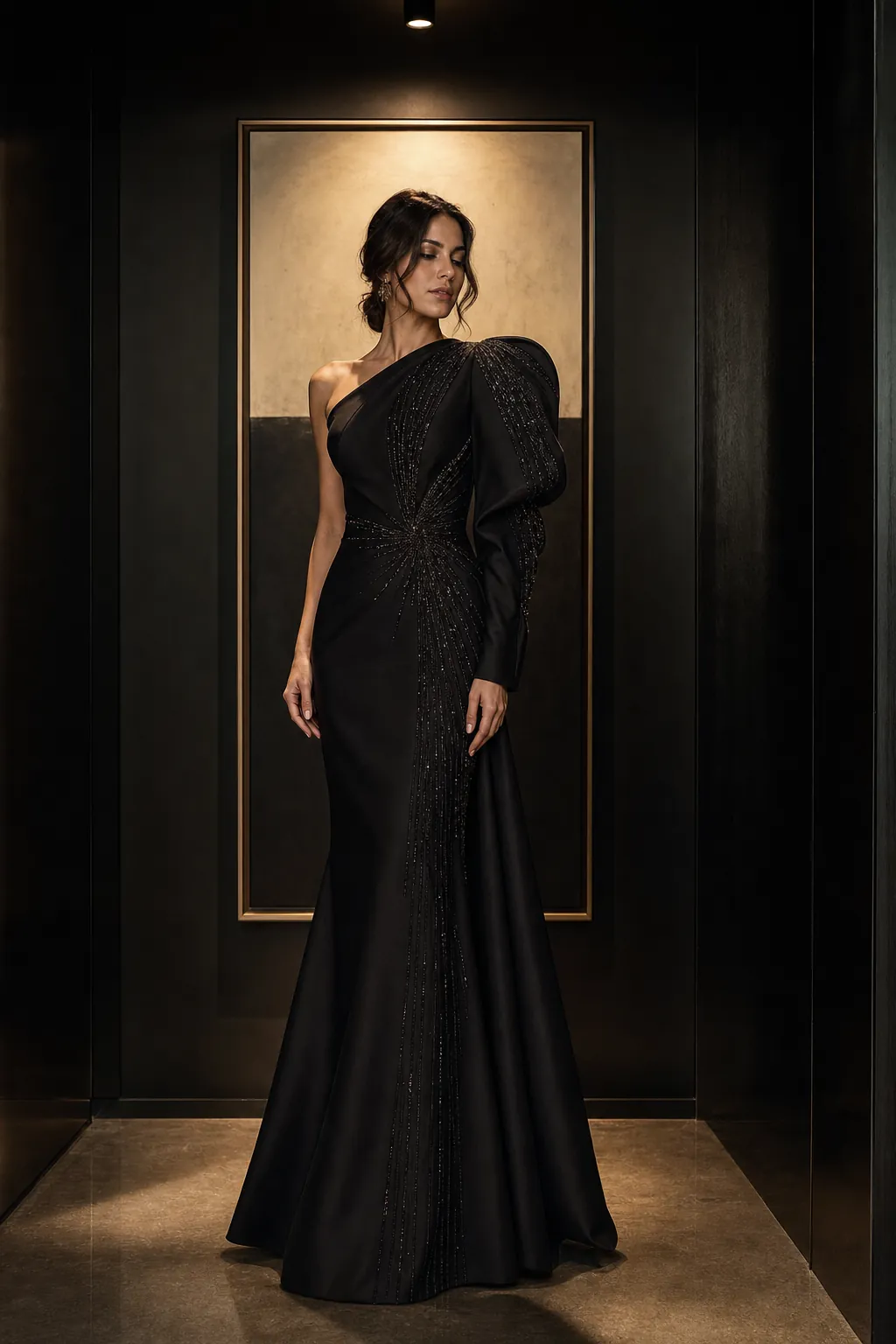
Couture gown by Darius Cordell Fashions

Built for the stage

A gown that lets your presence arrive first.

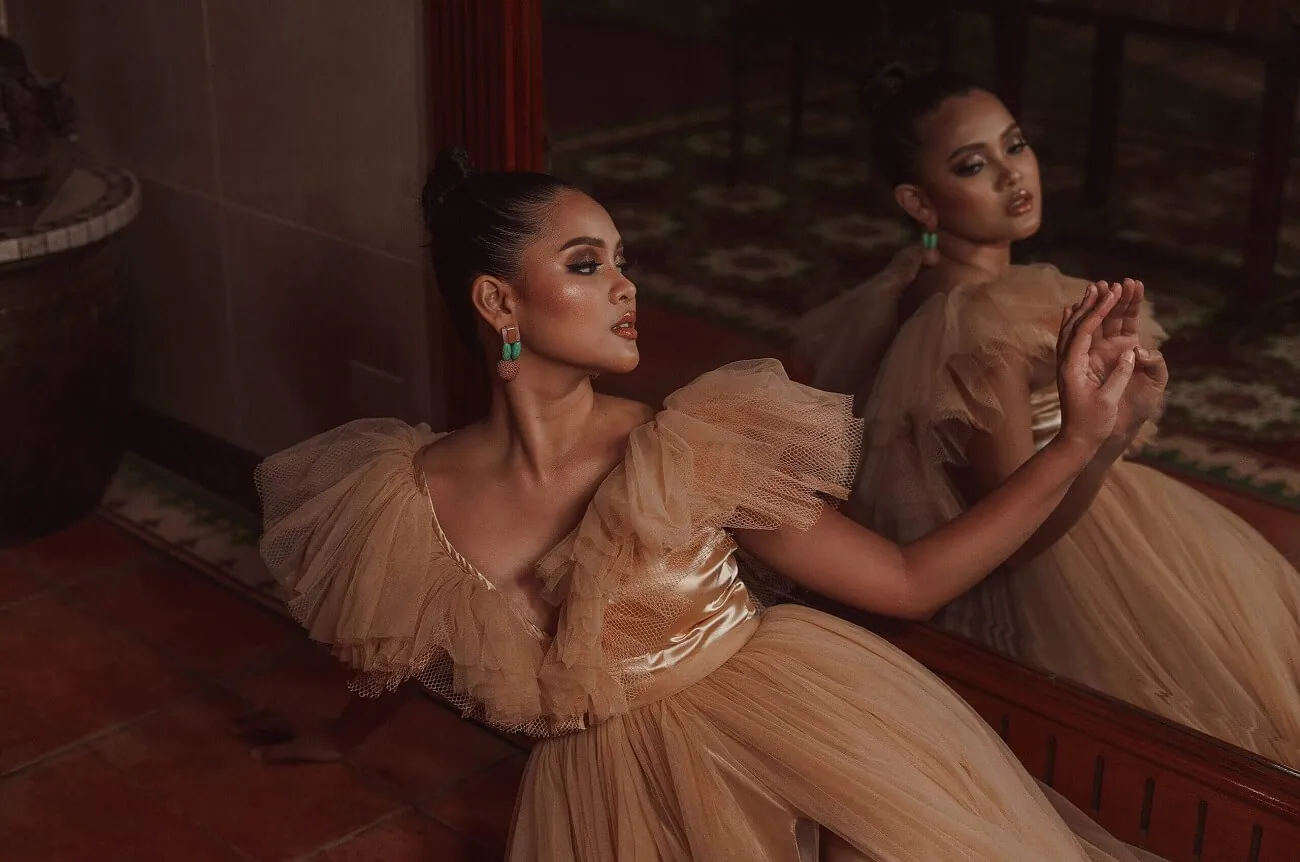
Pageant style is personal. The right gown does not borrow someone else's look or ask you to perform around a difficult fit. It gives your natural presence a clear frame, whether that means a clean, sculpted silhouette, a fluid skirt that follows every turn, or embellishment that catches the light without taking over the moment.

Darius Cordell Fashions creates custom pageant dresses for contestants who know that the small decisions matter. Start with the shape you are drawn to, the colors that make you feel most confident, or an inspiration image that has stayed with you. From there, the details can be refined around your competition, your movement, and the way you want to feel when you step into the spotlight.

A stronger point of view

Choose the details that carry across the room.

A memorable competition look is usually the result of a few considered choices working together.

01

Silhouette

A fitted column, a soft mermaid line, a dramatic ball gown, or a fluid A-line each creates a different kind of entrance. The best place to begin is with the shape that lets you move confidently and feels true to the image you want to project.

02

Light and color

Color is never just a swatch on stage. It changes with fabric, beading, venue lighting, and the movement of the skirt. A custom direction gives you room to consider depth, shine, texture, and the colors that feel most alive on you.

03

Personal detail

A neckline, sleeve, back treatment, train, or embellishment pattern can change the entire character of a gown. The goal is not to add everything. It is to choose the details that make the finished look feel intentional from every angle.

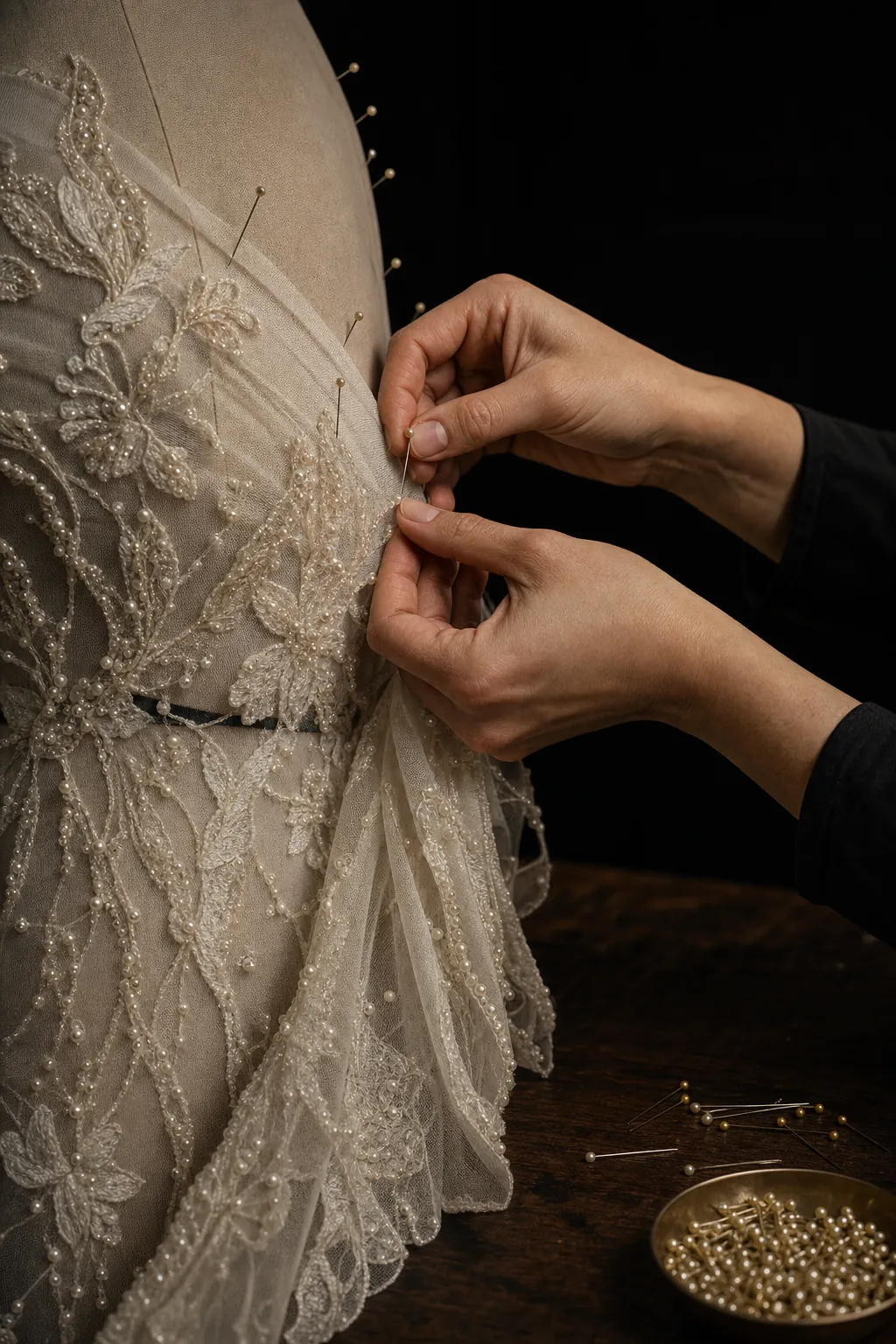
Detail of embellishment on a custom couture gown

Bring the inspiration

Start with the feeling, then refine the gown around it.

You do not need a finished sketch to begin. A saved image, a favorite dress shape, a fabric detail, or even a clear note about what you do not want can set the conversation in motion. The custom process creates space for the decisions that are easy to miss when you are choosing from a rack: the line of the waist, the amount of coverage, the place where the gown begins to move, the kind of shine that feels right, and the details that help you feel settled rather than self-conscious.

Share the competition date, venue, division details, and any wardrobe guidance you have. Stage lighting, travel, and the rhythm of your event all shape the best direction. A heavily embellished gown can look magnificent when the setting calls for it. A cleaner silhouette may create the stronger statement when movement, tailoring, and color are doing the work. The right design balances impact with the ease to walk, turn, pose, and enjoy the experience.

Share Your Inspiration

The custom process

Move from an idea to a competition-ready direction.

A focused conversation early on gives every later choice a clearer purpose.

01

Share your competition

Send your event date, inspiration, preferred details, and anything that helps explain how you want the gown to feel on stage.

02

Choose the silhouette

Discuss shape, color, requested changes, size or measurement options, and the estimate for your chosen design.

03

Confirm the design details

Once the direction is settled, order forms and deposit begin the made-to-order production process.

04

Plan the finishing touches

Your completed gown is prepared for shipment, giving you room to coordinate alterations, shoes, and accessories before competition day.

Design with intention

Make the big decisions before the small ones take over.

Let movement shape the design.

A pageant gown needs to look compelling while you are standing still, but that is only part of the story. Consider how the skirt follows a turn, how the bodice feels through a deep breath, how the shoulder line stays in place, and what happens when you move from one pose to the next. A strong silhouette should have presence without becoming something you have to manage every second.

These are not limits on drama. They are the details that let drama work for you. A train can create a beautiful finish. A close-fitting skirt can sharpen a line. A sleeve can add polish. The most convincing look is one that still feels like yours when the focus shifts from the gown to the person wearing it.

Give the details room to read.

Beading, appliqué, texture, and sheen all register differently depending on the distance between you and the audience. A detail that feels subtle up close may come alive under stage light. A bold surface can feel elegant when the silhouette stays clean. Fabric, color, and embellishment work best when they have a shared point of view rather than competing for attention.

When you send inspiration, point out the exact details that appeal to you. Is it the color, the placement of the beading, the way a skirt catches light, or the shape of the neckline? Naming those preferences makes it easier to separate a passing idea from the elements that should lead the finished design.
Frequently asked questions

Custom pageant dresses.

Can I customize a pageant dress?

Yes. Bring a favorite silhouette, reference image, or a few details you want to change. The conversation can cover neckline, sleeve treatment, skirt shape, color, embellishment, coverage, and fit before the design direction is confirmed.

How far ahead should I order a custom pageant dress?

Custom work needs time for the design direction, production, and any finishing plans. Darius Cordell Fashions recommends allowing roughly six to nine months when possible. Rush availability depends on the design and current production schedule.

What should I bring to a pageant dress consultation?

Share your competition date, division or event details, inspiration images, preferred colors, and a clear sense of what you want to emphasize or avoid. It is also helpful to mention the stage, venue, and any guidelines you already know.

Can a pageant gown be made to my measurements?

You can discuss a standard size or a personal-measurement option. For personal measurements, the site recommends working with a professional seamstress while wearing the undergarments and shoes planned for the competition.

How do I choose a color for a pageant gown?

Start with the colors that make you feel confident, then consider the venue, stage lighting, your competition wardrobe, and the amount of embellishment in the gown. A custom conversation can help narrow the direction without forcing an exact formula.

Begin with your point of view

A custom pageant gown starts with your vision.

Share your competition details, wear date, and the parts of the look that matter most.