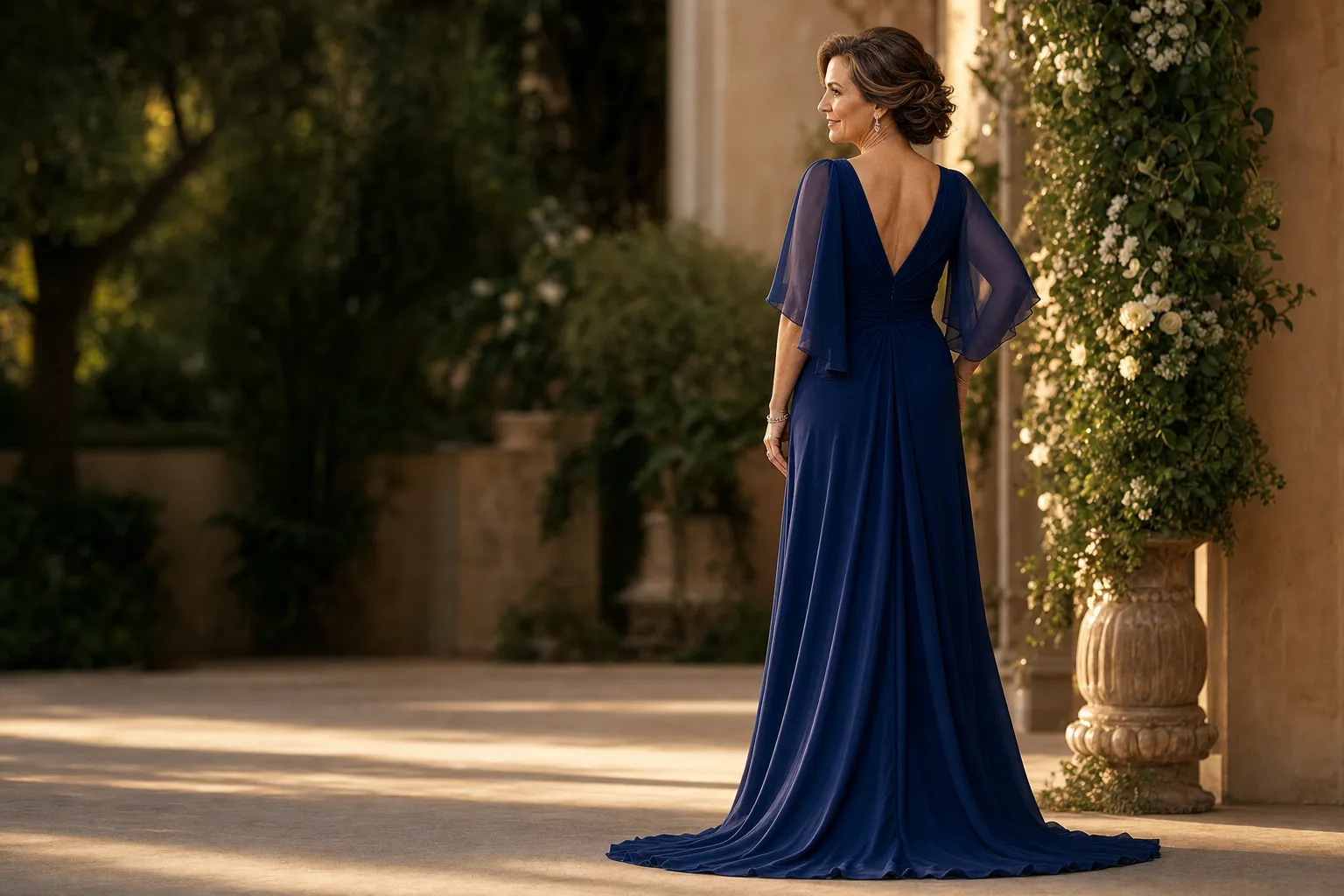
There is no single pageant dress shape that works for every contestant. A gown can be beautifully made and still feel wrong if the skirt changes your stride, the bodice asks for constant adjustment, or the overall line does not feel like you. The useful question is not, “What type of pageant dress is best?” It is, “What silhouette helps me look composed, move naturally, and make the impression I want on this stage?”
Most evening-wear choices begin with a few classic shapes: column, fit-to-flare, mermaid, A-line, and ball gown. Each creates a different relationship between the shoulders, waist, hips, and hem. Once you understand what each silhouette does in motion, you can compare dresses with a clearer eye and avoid choosing only from a mirror view.
Start with the stage, then choose the shape
Before you decide on a silhouette, read the official guidance for your own competition. Pageant systems have different standards for formality, coverage, styling, and presentation. The National American Miss contestant information and the Miss USA contestant resources are useful reminders that the competition itself should lead the decision, not a trend from another stage.
Then picture the physical setting. A narrow runway, a large theater stage, a carpeted ballroom, and a small local venue ask different things from a skirt. Consider how far the audience will be, how much room you have to turn, and whether you will have stairs or a backstage wait. A shape that feels dramatic in a photo may be too much for a tight stage, while a clean column gown can look especially powerful when the room gives your walk a long line.
Use recent photos from your own system as a formality reference, not a copying exercise. Notice the scale of the gowns, then choose the silhouette that makes your own posture and personality clearer. The right shape should make you feel more present, not more disguised.
Column gowns: clean, long, and controlled
A column gown falls close to the body from the shoulders to the hem, creating one long vertical line. This is often the most streamlined type of pageant dress. It can feel modern, elegant, and very strong when you enjoy a measured walk and want the eye to travel upward toward your face.
Because the skirt stays close, proportion matters. The dress needs enough ease through the knees and hem for a natural stride, especially if the fabric has little stretch. Test it by taking your full competition walk, turning in both directions, and pausing with one foot slightly forward. If you begin shortening your steps or thinking about the slit every few seconds, the line is too restrictive.
Column gowns are a good choice when you want beadwork, drape, a rich color, or an architectural neckline to do the talking. The silhouette gives those details a clean canvas. Keep the styling equally focused. A precise earring, polished hair, and a shoe that disappears into the hem usually make more sense than adding several competing statements.

Fit-to-flare and mermaid gowns: shape with movement
Fit-to-flare and mermaid gowns follow the body through the torso and hips, then open below the knee or lower thigh. They can create a dramatic, sculpted line without becoming as visually wide as a ball gown. The difference is mostly in degree: a fit-to-flare usually opens more gradually, while a mermaid shape hugs more closely before a sharper flare.
These silhouettes are especially appealing when you want to highlight a defined waist, an elegant curve, or a confident, deliberate walk. They also give fabric and embellishment a beautiful place to move. A beaded vine, a soft drape, or a seam line can follow the body and become part of the shape rather than sitting on top of it.
The fit test matters more here than with almost any other gown. You should be able to sit briefly, take a full breath, step up, and turn without the skirt pulling backward or the bodice shifting forward. Bring the heel height you plan to wear. A small change in heel can alter where the flare begins to break, which changes both the line and your pace.

A-line gowns: balanced, graceful, and easy to wear
An A-line gown fits through the bodice and then widens gradually from the waist. It is one of the most adaptable types of pageant dresses because it creates a clear waistline while leaving room to walk, turn, and breathe. The shape can be understated in satin or crepe, or more dramatic in layered tulle, rich brocade, or detailed beadwork.
Choose an A-line when you want a sense of movement without the weight of a full ball gown. It can be particularly useful when you prefer a little room through the lower body, want an entrance with some skirt movement, or are competing on a stage where you need to manage the gown independently. The skirt should follow you, not arrive a second later.
Keep the visual weight balanced. A very detailed bodice paired with a light skirt can make the gown look top-heavy, while a full textured skirt may call for a cleaner neckline. Stand several feet from a mirror or use a short video to check whether the eye first sees your face and the overall line. That is a better test than judging the dress only from close range.
Ball gowns: presence, scale, and a memorable entrance
A ball gown has a fitted bodice and a full skirt with deliberate volume. It creates instant presence and can be the right choice when the event is formal, the stage is large enough to support the scale, and you want the movement of the skirt to be part of your entrance. The key is balance. You should look like you are wearing the gown, not like the gown is arriving before you do.
Try a ball gown in the actual type of movement you expect to make. Walk forward at your normal pace. Turn slowly in both directions. Sit for a few minutes. Practice how you will gather the skirt if you need to use stairs or pass through a doorway. A full skirt can feel surprisingly manageable when the waist is secure, the hem is right, and the fabric is distributed evenly.
Ball gowns often need fewer competing features because the shape already makes a statement. Let the color, fabric texture, and bodice detail work together. A deep jewel tone can feel regal, while a restrained metallic can catch the lights without becoming visually noisy. If you add a train, cape, or overskirt, rehearse that element separately before competition day.

Trains, capes, overskirts, and slits: choose one clear moment
These design elements are not separate silhouettes, but they can change how a pageant dress reads on stage. A train can make an exit feel memorable. A cape can create a strong opening line. An overskirt can bring volume to a slimmer gown, and a slit can make a close-fitting silhouette easier to walk in. The useful question is whether the extra element supports the gown’s main idea.
Choose one statement feature before adding a second. A sculpted mermaid gown with a dramatic train may not need a cape as well. A full ball gown may be more effective with a clean shoulder line than with heavily embellished sleeves. The design should read in one glance from the audience, then offer more detail as you get closer.
Always practice the feature that makes the gown memorable. Test a cape when you turn, a train when you stop, and a slit when you sit and climb a step. A detail is worth keeping when it gives you a stronger moment without giving you another thing to manage.
How to choose your pageant dress silhouette
Begin by narrowing the feeling you want to create. Write down three words, such as polished, modern, and composed, or romantic, bold, and luminous. Then try on at least two different silhouette families. A dress that looks familiar on a hanger may surprise you once you see it in motion, and a shape you would never have chosen online may make your walk feel immediately more settled.
Use this simple fitting sequence: wear the actual shoes, take a full breath, walk forward, turn both directions, pause for a front-facing pose, and sit for a few minutes. Record a short video from a distance. Watch it without sound. Notice whether your eye goes to your face first, whether the hem moves cleanly, and whether you look relaxed rather than carefully contained.
When you are choosing between two silhouettes, compare them in the same conditions. Wear the same shoes, keep the accessories simple, and ask someone to film the same entrance and turn in each gown. One shape may feel dramatic in a still photo but make you move more carefully. Another may feel quieter at first, then look more confident the moment you begin walking. The better silhouette is the one that gives you a clear presence without asking you to perform around the gown.
Give yourself permission to choose the dress that feels easiest to carry. Ease is not the same as playing it safe. It is the calm that lets your posture, expression, and personal style come through. A deliberate column, a polished A-line, or a full ball gown can all make a strong statement when the shape is working with you instead of competing for attention. That calm often becomes the difference between a pretty dress and a compelling stage look.
Once the silhouette is right, use color and detail to finish the story. The site’s pageant evening gown guide can help you compare color, movement, and finish, while the pageant dress selection guide gives you a broader way to prepare for the competition. Both are useful after you have identified the silhouette that feels most like you.
When a custom silhouette makes sense
A ready-made gown can be exactly right when the line, color, and fit work together. Custom design becomes valuable when you have found the direction but not the final answer: you love the shape of one gown but want a more secure neckline, you want the movement of an A-line with the drama of a removable overskirt, or you need a different sleeve, train, coverage level, or proportion.
Darius Cordell Fashions creates custom pageant dresses with room to refine those details around your competition. Browse the pageant gown collection for ideas, then use the custom design process to begin with a silhouette, reference image, or single detail you want to make your own. The planning guide is useful when you are working backward from a competition date.
Frequently asked questions
Pageant dress silhouette questions
What type of pageant dress is most flattering?
The most flattering type is the one that lets you stand, walk, and turn without self-consciousness. Start with the line you naturally like on your body, then test it in motion and under lighting before making a final decision.
Is a mermaid or ball gown better for a pageant?
Neither silhouette is automatically better. A mermaid or fit-to-flare gown can create a clean, dramatic walk, while a ball gown creates immediate scale and movement. The better choice is the one that fits the competition, your stage presence, and the way you want to move.
Can I wear an A-line dress for a pageant?
Yes. An A-line gown can be a strong pageant choice when you want an elegant waistline, comfortable movement, and a skirt with more presence than a column shape. Fabric, color, and finishing detail can make the silhouette feel as formal or dramatic as the moment requires.
Should I choose the silhouette or the color first?
Choose the silhouette first. It determines how the gown moves and how you feel in it. Once the shape is right, compare colors and details that help the gown hold its presence on stage.
A more personal direction
Ready to find the right line?
Share your competition date, silhouette ideas, and the details you want to refine.
Request a Quote